
THANK YOU FOR SUBSCRIBING

Hrtech Outlook Weekly Brief
Be first to read the latest tech news, Industry Leader's Insights, and CIO interviews of medium and large enterprises exclusively from Hrtech Outlook


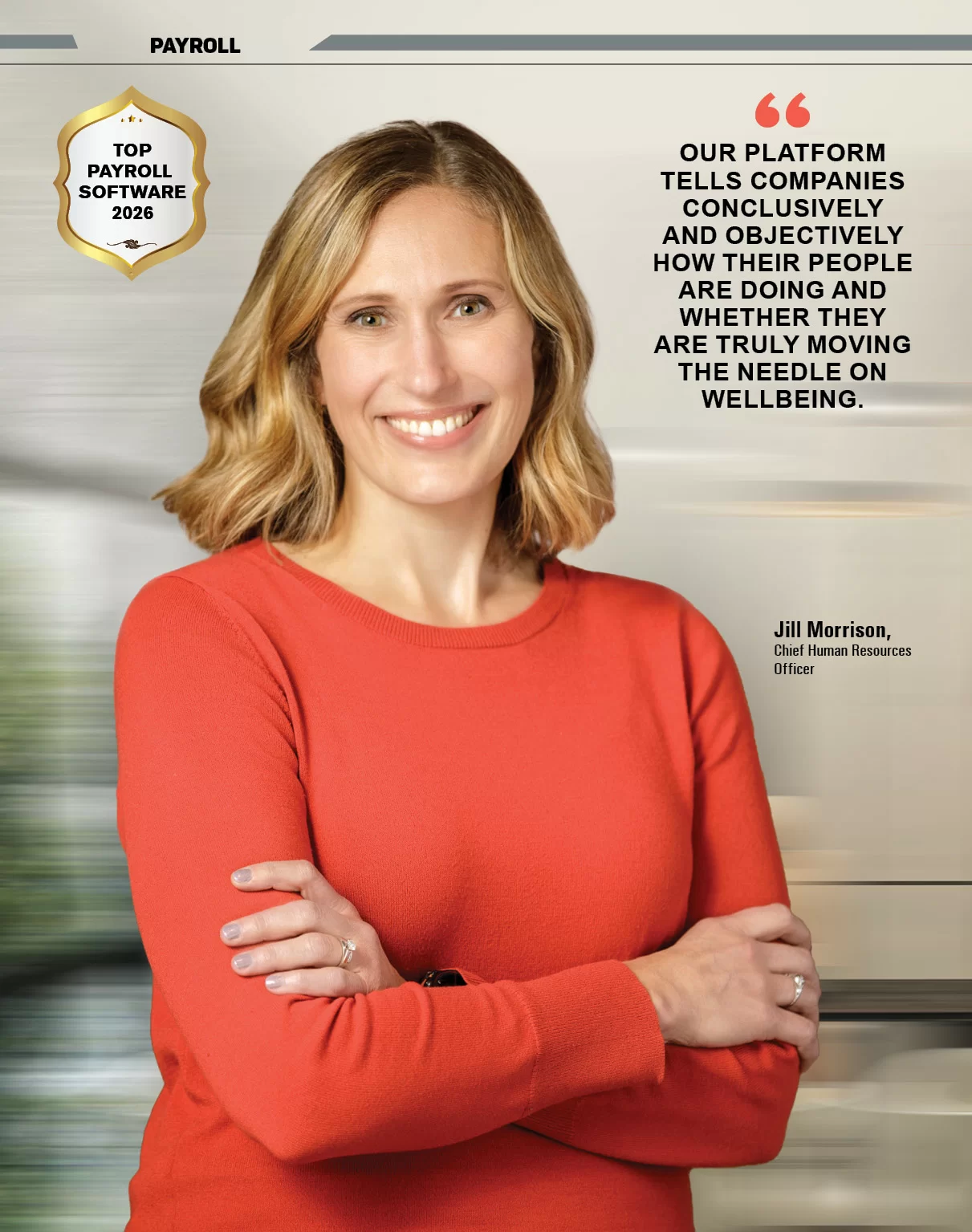
 Jill Morrison, Chief Human Resources Officer
Serving organizations ranging from small businesses to enterprise environments, Paylocity combines payroll administration with tax management, time and attendance, benefits administration and operational analytics. Employee data connects directly with HR and workforce systems, allowing organizations to manage records, compensation, scheduling and reporting through a centralized environment rather than disconnected software layers.
“When payroll truly works, everything else gets easier. Leaders get hours back, employees feel confident in every paycheck, and HR teams have more time to focus on strategy instead of administration,” says Jill Morrison, chief human resources officer.
Connected Workforce Operations
HR administration increasingly depends on connected scheduling, attendance tracking, employee records and compliance oversight, requiring systems that keep operational data aligned throughout day-to-day operations. Separate payroll and HR systems often create delays, duplicate administrative work and visibility gaps that affect both payroll accuracy and workforce coordination.
Paylocity connects workflows with HR administration, workforce management and employee data within the same platform. Time tracking, scheduling and compensation records remain aligned throughout processing cycles, reducing operational friction created by disconnected systems.
When payroll truly works, everything else gets easier. Leaders get hours back, employees feel confident in every paycheck, and HR teams have more time to focus on strategy instead of administration.
Automation also streamlines administrative operations through configurable workflows, audits, tax filing capabilities and compliance management functions designed to reduce repetitive manual processes. Centralized workflows improve operational visibility while helping HR and payroll teams manage operational complexity more efficiently.
Reporting and workforce analytics provide organizations with insight into compensation activity, labor costs and employee trends. Connected workforce data informs broader operational planning and improves oversight across payroll administration and HR operations.
The platform also helps organizations manage distributed teams through connected payroll and operational management tools designed to maintain visibility and continuity.
Reducing Administrative Complexity for HR Teams
Administrative workload continues to increase as HR departments manage administrative operations alongside onboarding, compliance requirements and employee service responsibilities. Manual processes and fragmented systems often increase operational inefficiencies while adding pressure on HR and administrative teams.
Paylocity centralizes payroll administration with broader HR functions, allowing organizations to manage payroll, employee records, onboarding and administrative functions through the same environment. Integration between systems reduces duplicate data entry while limiting manual coordination between departments.
Time and attendance management also connects directly with payroll workflows, maintaining alignment between scheduling, workforce activity and compensation processing. Employee information remains connected throughout payroll administration, improving consistency while reducing payroll discrepancies tied to disconnected workforce systems.
Employee self-service functionality further reduces administrative burden by allowing employees to access pay records, tax forms, schedules and workplace information through digital and mobile platforms. Employees engage directly with payroll and workforce information without relying entirely on HR teams for routine administrative requests.
Payroll and Employee Experience
Modern HR systems increasingly influence workforce experience as employees expect faster access to pay information, workplace tools and communication through connected digital platforms. Payroll accuracy remains essential, but workforce expectations now extend into accessibility, responsiveness and transparency.
Paylocity connects payroll with employee engagement and communication tools through a unified employee environment. Employees access payroll information, workplace communication, schedules and HR services through the same platform used for broader workforce interaction.
Communication tools integrated into the platform strengthen employee interaction, organizational messaging and employee engagement within the same environment used for payroll and HR access. Consolidating payroll access with communication and workforce tools reduces fragmentation while improving organizational connectivity.
“At Paylocity, we believe payroll should create confidence and connection across the workforce as we continue building technology designed for the realities of modern work,” says Morrison.
Mobile accessibility also shapes how employees interact with workplace systems. Employees manage pay information, workplace communication and workforce tasks through mobile platforms designed to improve accessibility without additional administrative complexity.
Scaling Modern Operations for Growing Organizational Demands
Organizations continue adapting workforce operations in response to hybrid work structures, workforce expansion and changing labor requirements. Operational systems increasingly need to accommodate workforce scale while maintaining operational visibility, compliance alignment and administrative consistency.
Paylocity serves organizations ranging from growing businesses to enterprise environments through payroll and workforce management capabilities designed to adapt alongside operational requirements. Payroll workflows, reporting structures and workforce administration functions scale alongside business growth and organizational complexity.
Integration capabilities also allow compensation and employee data to move between connected operational systems under centralized oversight. Organizations operating within broader technology environments maintain workforce visibility without separating payroll administration from HR operations.
Automation and AI continue shaping payroll administration by handling repetitive workflow management, reporting functions and operational processes. HR teams increasingly rely on automation to reduce administrative workload while maintaining payroll accuracy and workforce oversight.
Analytics increasingly influence payroll and workforce management decisions as organizations rely more heavily on workforce data for labor planning, operational forecasting and administration.
Paylocity’s growing emphasis on automation, employee accessibility and administrative efficiency reflects how organizations are rethinking the role of payroll within everyday business operations. Its recognition as a Top Payroll Software 2026 reflects rising demand for platforms that simplify administration, improve operational visibility and help organizations manage increasingly connected workplace environments.
What Does Payroll Software Help HR Teams Manage?
Payroll Software helps organizations calculate pay, manage deductions, support tax-related tasks and keep employee compensation records consistent across routine pay cycles. It increasingly connects with HR administration, time tracking, benefits and reporting so teams can reduce manual entry and avoid fragmented records. In modern workforce operations, Payroll Software is not only a payment engine. It also supports accuracy, visibility, compliance awareness and smoother employee service when pay data changes frequently across multiple departments and locations.
How Does Paylocity Apply Payroll Software to Modern Workforce Operations?
Paylocity applies Payroll Software through a cloud-based platform that connects payroll processing with HR operations, workforce management and employee engagement. Its environment brings employee records, compensation data, scheduling, time and attendance and reporting into a centralized workflow. Paylocity also supports tax management, benefits administration and operational analytics, giving organizations a broader view of payroll activity, labor trends and administrative priorities without forcing payroll to sit apart from daily HR work.
Why Is Connected Payroll Important for Accuracy and Continuity?
Connected payroll matters because pay data often depends on time records, employee status, schedules, benefits elections and compliance requirements. When these inputs sit in separate systems, HR teams can face delays, duplicate work and avoidable discrepancies. Payroll Software that links these data points helps maintain continuity across pay cycles while giving managers better visibility into compensation and workforce activity. It also helps organizations respond more consistently when teams grow, roles change or reporting needs become more complex.
What Features Should Organizations Look for in Payroll Platforms?
Organizations should look for payroll administration, tax support, time and attendance integration, benefits connectivity, employee self-service and reporting. Strong Payroll Software should also offer configurable workflows, audit support and mobile access so routine payroll questions do not always depend on HR staff. The right platform should simplify administration while keeping employee information accessible, current and consistent. Evaluation should also consider how well the system supports oversight, approvals and operational reporting without adding unnecessary process layers for administrators.
How Can Payroll Tools Improve the Employee Experience?
Payroll tools improve employee experience by making pay information easier to access and understand. Employees increasingly expect digital access to pay records, tax forms, schedules and workplace communication. Payroll Software can support that expectation by connecting compensation details with self-service tools, mobile access and communication features. Flexible wage access can also help when it is built into responsible payroll administration processes. This matters because payroll confidence often shapes how employees experience the wider workplace, especially for distributed or mobile workers.
How Does Paylocity Support Scalable Payroll Administration?
Paylocity supports scalable Payroll Software by pairing payroll workflows with automation, compliance management, tax filing capabilities and workforce analytics. It serves organizations from growing businesses to enterprise environments, allowing payroll and workforce administration functions to adapt as operations become more complex. Paylocity also emphasizes employee accessibility and connected reporting, helping HR teams manage payroll without separating it from broader workforce operations. Its approach reflects the growing need for platforms that can support accuracy, continuity and administrative efficiency at scale.
Company
Paylocity
Management
Jill Morrison, Chief Human Resources Officer
Description
Paylocity provides cloud-based payroll and workforce management software integrating payroll processing, HR administration, workforce engagement and compliance tools within a connected platform designed for modern workforce operations.