
THANK YOU FOR SUBSCRIBING

Hrtech Outlook Weekly Brief
Be first to read the latest tech news, Industry Leader's Insights, and CIO interviews of medium and large enterprises exclusively from Hrtech Outlook
A featured contribution from Leadership Perspectives: a curated forum reserved for leaders nominated by our subscribers and vetted by the HR Tech Outlook Advisory Board.

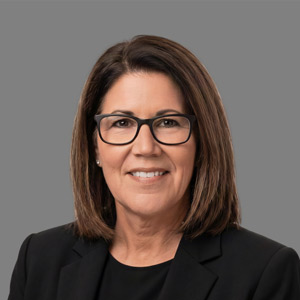
One of the most important lessons I learned came from my parents at a very young age: treat others the way you want to be treated. I have built my career around that principle. It guides how I lead, how I approach employee relations and recruiting, and how I interact with people every day.
In HR, we often balance the needs of employees with the needs of the organization. There is rarely a decision that makes everyone happy, but people deserve to be treated with respect, have their concerns heard, and understand the reasoning behind difficult decisions.
I have always tried to explain the “why.” Even when employees may not agree with an outcome, understanding the factors behind a decision helps build trust and credibility. Employee relations is not about choosing one side over another. It is about understanding both perspectives and finding a fair, respectful path forward that aligns with the organization’s values.
Adapting to Changing Talent Expectations
One of the biggest lessons I have learned is that recruiting and retaining talent is constantly evolving. In our industry, maintaining and operating a nearly 50-year-old pipeline requires specialized technical skills, operational expertise, and an unwavering commitment to safety. We are fortunate to have some of the brightest and most highly skilled employees in the industry, ensuring oil moves safely, reliably, and responsibly every day.
Attracting this level of talent means we must continue to share what makes Alyeska unique, especially in Alaska where skilled candidates often have choices. Workforce expectations have changed, and people are looking for more than a position. They want meaningful work, opportunities to grow, flexibility, competitive compensation, and a workplace culture where they feel valued and connected.
For a long-established organization like Alyeska, these changes give us an opportunity to keep evolving while staying grounded in who we are. Alyeska Pipeline Service Company will continue adapting to attract, engage, and retain strong talent. One way we are doing that is by becoming more proactive and personal in our recruiting efforts by reaching out to prospective candidates, building relationships, and helping them see our culture, our mission, and the opportunities available here.
Ultimately, successful recruiting and retention come down to understanding people and helping candidates see how they can contribute to something meaningful.
Keeping the Human Element in HR
Technology and AI are becoming increasingly important as organizations look for ways to improve efficiency, streamline processes, and give employees quicker access to information. I believe technology can be an incredibly valuable tool, but it is still a tool. It should support HR, not replace the judgment, experience, and trust HR professionals bring.
“In employee relations, recruiting, and talent management, the human element remains essential. Employees want to be heard, understood, and treated with respect.”
In employee relations, recruiting, and talent management, the human element remains essential. Employees want to be heard, understood, and treated with respect. Those interactions require empathy and judgment that cannot be fully replaced by technology.
AI can add value by helping employees quickly find answers about benefits, policies, or procedures, allowing HR professionals to focus on more complex matters where personal interaction is most needed.
Preparing Talent for the Future
One of the biggest shifts influencing recruitment and workforce management is the growing competition for talent, particularly in Alaska. Our state has a small population, and demand for highly skilled workers continues to grow. In oil and gas, the challenge is not just finding talent but developing enough talent to meet future workforce needs.
Alyeska takes tremendous pride in being an Alaska company, with more than 94% of our employees living and working in Alaska. We have built a workforce of bright, talented, and highly skilled professionals who support critical operations every day.
Recognizing the workforce challenges ahead, we have invested in future talent through programs such as summer internships and SkillBridge, which connects military personnel with civilian career opportunities before separation from service. These programs allow participants to experience our work and culture while giving us the opportunity to evaluate potential future employees.
Looking ahead, companies will need to keep investing in workforce development, internships, apprenticeships, military transition programs, succession planning, and proactive recruiting. Successful workforce management is not just about filling positions. It is about building relationships, developing talent, and creating opportunities for people to see themselves as part of the organization’s future.
Leaving a Legacy through People
My advice is to never forget that every policy, process, and decision ultimately affects people. HR professionals need to understand employment law, business strategy, and workforce planning, but the heart of our profession has always been people.
Build your reputation on honesty, integrity, and fairness. People may not always agree with your decisions, but they should know you listened, considered the facts, treated them with respect, and communicated openly about the “why.” Trust is built one interaction at a time.
Be curious and never stop learning. The workforce will evolve, technology will advance, and organizations will face new challenges. The strongest HR professionals remain adaptable while staying grounded in their values.
When I look back on my career, I am most proud of the people. I see leaders across organizations today and know that, in some small way, I may have helped open the door for them by recognizing their potential, bringing them into an organization, supporting their development, or creating opportunities for growth.
The greatest legacy an HR professional can leave is the people whose lives and careers were positively impacted because someone believed in them, invested in them, and helped open a door. If you lead with integrity, build trust, communicate openly, and treat people the way you would want to be treated, you will build a career that truly makes a difference.
