

THANK YOU FOR SUBSCRIBING

Hrtech Outlook Weekly Brief
Be first to read the latest tech news, Industry Leader's Insights, and CIO interviews of medium and large enterprises exclusively from Hrtech Outlook
A featured contribution from Leadership Perspectives: a curated forum reserved for leaders nominated by our subscribers and vetted by the HR Tech Outlook Advisory Board.

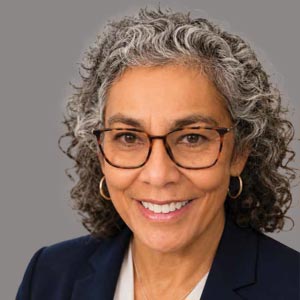
As Director of Diversity, Equity & Inclusion, Chickfil-A Corporate Support Center, Melenie (Lankau) Choto brings nearly 30 years of experience in the diversity, equity & inclusion (DEI) industry. After 25 years in academia, she moved into corporate practice, focusing on building inclusive leadership capabilities and helping teams work effectively across different perspectives.
Fostering a Culture of Belonging
Our approach to DEI is anchored in one of our core values, “Be Better Together.” It is about being intentional in how we collaborate with people who bring different perspectives, functional backgrounds and experiences.
I lead a team of three professionals, and we work from a three-to-fiveyear roadmap. Each person focuses on a different audience. One develops learning opportunities, tools and resources for our Corporate Support Center staff, equipping them to value differences, mitigate bias in decisionmaking, and plan and communicate inclusively.
Another member focuses on our independent owner-operators, creating optional resources to help them understand different generations, improve access for Spanish-speaking team members and build a culture of belonging in their restaurants. Research shows that team members who report higher belonging are more satisfied and less likely to leave.
The third team member focuses on our community efforts, including philanthropy and partnerships with nonprofit organizations. We consider how we can understand communities better and show up in an inclusive way. My role is to provide strategic insight, facilitate the work and help remove obstacles.
Moving Beyond Representation for Better Collaboration
DEI has evolved through several approaches. Initially, the focus was on equity, fairness and representation. Later, organizations began recognizing the business advantages of bringing diverse perspectives into markets and applying cultural insights to business challenges. However, one limitation was that the learning did not always return to the organization.
Our “Be Better Together” approach reflects a third era, one that recognizes every person brings lived experiences that shape their attitudes, values, beliefs and assumptions. Understanding these experiences helps teams bring different insights to the problems they need to solve.
We equip people to recognize the unique value their colleagues bring to a team. When perspectives conflict or create tension over how to approach a problem or what information to consider, people need to know how to work through that tension. We want them to engage in rigorous debate that remains respectful, generate options and make better decisions while recognizing where bias may enter the process.
Trust, authenticity and psychological safety are essential to this process. People need to feel safe enough to engage in constructive debate and dialogue, even when they disagree. For about five years, we have been on a learning journey to equip our people with these skills.
Integrating Inclusion into Organizational Culture
The political landscape has affected how visible this work is and how organizations talk about it. Many professionals are spending more time defending the work, while some companies have moved away from using the DEI label. There is a growing emphasis on belonging, inclusion and culture.
I see this as a positive development. One of the detriments to progress has been treating DEI as a standalone function, separate from culture or human resources. When organizations establish a separate office or leader for this work, people can perceive it as an add-on rather than part of how the organization operates.
The more we integrate inclusion into organizational culture, the more effectively we can establish shared norms and values around how we treat one another, make decisions and value different perspectives. This integration can accelerate the development of inclusive leadership capabilities.
“Lasting progress comes when DEI becomes part of how people lead, collaborate and make decisions every day.”
Making Inclusion a Capability, Not a Training Initiative
My transition from academia to corporate America showed me a gap between what research identifies as effective and what organizations put into practice. Training programs and standalone courses for leaders alone will not create substantive, meaningful and enduring change.
Inclusion is not a separate skill or a destination. It is a capability that must develop across leadership ranks and individual contributor roles. Organizations need to consider the work employees actually do and how, in the flow of that work, they learn to make better decisions, become better team members, lead inclusively and leverage diverse sources of information.
My advice to DEI professionals is to broaden their expertise. Develop knowledge in leadership effectiveness, organizational culture, change management, organizational design and organizational development. Align with partners working in these areas and integrate the work into broader organizational systems.
If we continue treating inclusion as a standalone training initiative, we will stay stuck. Lasting progress comes when it becomes part of how people lead, collaborate and make decisions every day.
