
THANK YOU FOR SUBSCRIBING

Hrtech Outlook Weekly Brief
Be first to read the latest tech news, Industry Leader's Insights, and CIO interviews of medium and large enterprises exclusively from Hrtech Outlook
A featured contribution from Leadership Perspectives: a curated forum reserved for leaders nominated by our subscribers and vetted by the HR Tech Outlook Advisory Board.

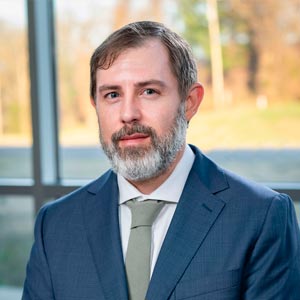
Bo Vanderburg has experience spanning talent acquisition, employee development, logistics training and customer service. His work focuses on strengthening organizational culture, developing talent and creating opportunities for employees to grow and advance within their organizations.
Aligning Hiring with Business Goals
For me, talent acquisition starts with open communication with leadership. We need to understand where the organization is going and what people and skills it will need to get there.
That understanding gives us a clear direction for tailoring our talent acquisition efforts to support current workforce needs while preparing for the people and skills required to achieve long-term business goals. As those needs evolve, the conversation must continue. I’ve found that communication leads to understanding and gives us a clear path forward.
Attracting Talent through Trust
Our reputation does much of the work for us. We have strong core values and live by them throughout the business, not just in recruiting. During interviews, we explain who we are to candidates who may not already know. Many do their own research, and what they find confirms what we told them. We strive to be who we say we are, in every part of the business. That consistency builds trust before someone ever walks through the door, and most candidates are genuinely excited about the chance to work for our company.
From there, I believe transparent communication matters. We’re open about expectations, what the work requires and what candidates can expect from us. Both sides can decide whether the opportunity is the right fit. We’re building our employee experience around that same culture, allowing trust established during recruitment to continue from day one.
Balancing Hiring and Employee Growth
I don’t see external hiring and developing employees as competing choices. Everyone inside an organization was once an external hire, brought in because someone recognized what they could contribute. A healthy, growing organization recognizes that developing people and bringing in new perspectives are equally important to building its future.
We are committed to developing from within because helping people grow helps the company grow. Our talent pipeline and succession initiative focuses on identifying existing talent, recognizing individual strengths and creating opportunities for people to develop new capabilities. Managers play an important role in that process by recognizing potential, providing meaningful experiences and supporting development along the way. The balance comes from understanding which capabilities we can develop internally and where additional skills and perspectives are needed. That is also where retention comes in. People need opportunities to grow, managers who support that development and reasons to see a future with the organization.
Preserving Human Skills in an AI Era
One challenge I see in manufacturing is keeping the human aspect in the workplace. It’s easy to look at a task and suggest automation or ask whether AI can do it. AI is a tool, but simply calling it a tool does not answer the question many people are asking: Will AI take my job? For me, helping people develop and apply human skills is essential. Technology can expand what we are capable of accomplishing, but it doesn’t eliminate the importance of how we think, communicate, adapt and work with others. Developing these human capabilities is essential, not only for preparing people to work alongside technology, but for helping them navigate challenges, make sound decisions and recognize opportunities.
Getting an instant answer isn’t the same as understanding it. We need to encourage people to dig deeper than a surfacelevel search, ask how and why and work out how to apply an answer to the problem at hand. That matters on the plant floor as much as in the office. Technology can offer answers, but our people still need to understand why they matter, solve problems as they arise and work together as a team. That’s where I believe development efforts should focus.
“A healthy, growing organization recognizes that developing people and bringing in new perspectives are equally important to building its future.”
Another challenge is AI in the application process, where candidates and employers use it. We still need to know whether an application reflects someone’s experience and whether they intentionally applied. This calls for diligence from job seekers as well as employers, rather than simply relying on what an application says. Employers must be clear about opportunities, while candidates must clearly communicate what they bring. I expect AI to become more ingrained in these processes, making curiosity, transparency and a genuine desire to understand each other more important.
Leading through Everyday Choices
One lesson I’ve learned is that leadership doesn’t require ‘leader’ in a job title. People don’t follow someone simply because they’re told to; they respond to actions. My advice is to be intentional about the example set through everyday choices.
Trust requires transparency, and encouraging others to learn requires staying curious oneself. Every interaction is an opportunity to demonstrate the kind of person and leader we choose to be. Our actions influence others, shape behaviors and ultimately contribute to the environment we create around us.
