

THANK YOU FOR SUBSCRIBING

Hrtech Outlook Weekly Brief
Be first to read the latest tech news, Industry Leader's Insights, and CIO interviews of medium and large enterprises exclusively from Hrtech Outlook
A featured contribution from Leadership Perspectives: a curated forum reserved for leaders nominated by our subscribers and vetted by the HR Tech Outlook Advisory Board.

From Operational Experience to Building a Learning Foundation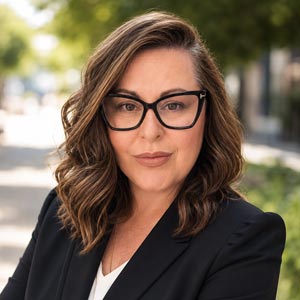
Angela Wolfgang
When I transitioned into Learning & Development at The Galman Group, I was given an exciting challenge: the opportunity to build a training program from the ground up.
Previously, new employees were primarily trained on the job by their direct supervisors. Having spent years managing communities myself, I understood the importance of strong operational practices, protecting the value of our properties and creating places residents are proud to call home.
The company trusted me to turn that experience into a program that would support our teams across the organization.
What I quickly discovered was that knowing how to successfully perform a job and knowing how to teach someone else are two very different things.
We had no centralized training materials, limited resources and one person responsible for developing the program. I couldn’t be everywhere at once, and effective training couldn’t depend entirely on my availability.
I began building an internal learning platform with written instructions, training videos, standardized forms and practical resources employees could access whenever they needed guidance.
My goal wasn’t simply to create training materials. It was to give employees the tools and confidence to succeed independently while establishing consistent expectations across our communities.
Creating Consistency Across Communities
One of the greatest challenges in multifamily property management is maintaining consistency across an entire portfolio.
At Galman, we operate communities in two states, each with different laws, regulations and operational requirements. Add varying management styles and approaches to training, and the same process can easily be handled differently from one community to another.
“I can walk an employee through a procedure, but ultimately, they need to take the wheel. That’s where confidence begins.”
I recognized that creating a consistent training experience was just as important as developing the materials themselves.
My approach focuses on standardized operating procedures, structured training and ongoing communication. Under the direction of our President, I helped bring his vision for Galman University to life and continue to lead its training sessions. I also introduced monthly Open Forum meetings where employees can ask questions, discuss challenges and reinforce procedures.
While certain processes must accommodate state-specific requirements, our overall standards should remain consistent.
Consistency doesn’t mean eliminating individuality. Every manager brings valuable experience and leadership qualities. The goal is to ensure that regardless of where employees work or who trains them, everyone receives the same foundational knowledge, resources and expectations.
Training People, Not Just Positions
No two employees walk through the door with the same experience or learning style. Some are completely new to multifamily housing, while others have spent their entire careers in the industry.
My first priority is making them comfortable. I want employees to know they aren’t expected to learn everything immediately or get everything right the first time.
Once that initial nervousness disappears, people become more comfortable asking questions and admitting when something isn’t clicking. That’s when meaningful learning begins.
I adjust my approach based on how each person learns, but I’m a strong believer in learning by doing.
I can walk an employee through a procedure, but ultimately, they need to take the wheel. That’s where confidence begins.
Hands-on experience builds familiarity and independence in ways that simply observing cannot. I also record training sessions, provide resources employees can revisit and make follow-up a priority so no one feels left behind.
For me, success isn’t measured by how quickly someone completes training. It’s watching employees grow into their positions, gain confidence and contribute to stronger operations at their communities.
Making Learning Everyone’s Responsibility
When the same mistakes appear across multiple communities, I believe we should first ask a simple question: Are we making the process harder than it needs to be?
Sometimes the solution isn’t another lengthy training session. It may be simplifying an SOP, changing how we teach a procedure or introducing something as straightforward as a checklist.
Practical tools, including standardized move-in and move-out checklists, help reinforce expectations and reduce opportunities for error.
But training cannot begin and end with Learning & Development. As I often say, it takes a village in property management. From corporate leadership to community managers and on-site teams, everyone plays a role in reinforcing procedures, maintaining accountability and encouraging good habits.
Even experienced employees occasionally need reminders. That’s why continued coaching, communication and reinforcement through programs like Galman University are so important.
Equally important is recognizing when employees are doing things right.
Recently, our President recognized a community manager for an exceptionally well-prepared report and suggested using her work as an example in future training. The pride that simple acknowledgment created was remarkable.
I’m a firm believer in positive reinforcement. Sometimes a few words of appreciation can motivate someone more than we realize.
To me, continuous learning isn’t just about correcting mistakes or teaching procedures. It’s about creating an environment where employees feel supported, take pride in their work and understand that their contributions matter.
When people feel confident, appreciated and accountable, stronger performance follows.
