

THANK YOU FOR SUBSCRIBING

Hrtech Outlook Weekly Brief
Be first to read the latest tech news, Industry Leader's Insights, and CIO interviews of medium and large enterprises exclusively from Hrtech Outlook


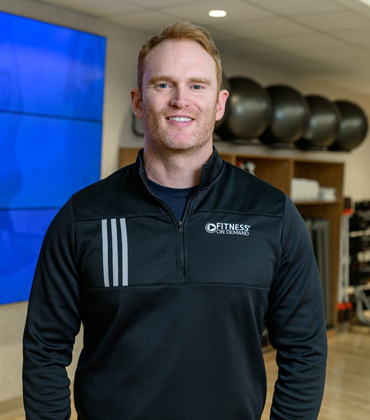 Andy Peat, CEO
Fitness On Demand has built its platform around this shift, helping organizations make wellness more accessible while creating meaningful engagement opportunities.
The company’s focus is not just on delivering digital workout content. Instead, Fitness On Demand looks at the larger goal behind employee wellbeing programs: helping people build healthier habits while enabling organizations to create stronger relationships with their teams. The company provides technology designed around the real-world needs of employers and their employees.
“Corporate wellness has to work for the realities of today’s workforce. Employees have different schedules, preferences and starting points, so offering a benefit isn’t enough if people aren’t actually using it,” says Andy Peat, CEO of Fitness On Demand. “Our focus is on making wellness easier to access and giving organizations the tools to create experiences that employees genuinely want to engage with.”
Creating Flexible Fitness Experiences
Fitness On Demand was built on the idea that people should not have to organize their lives around a fixed workout schedule. Traditional fitness classes often depend on specific times and locations, creating barriers for people with busy routines. By making fitness available on demand, employees can participate when and where it works best for them.
Today, the platform provides organizations with an integrated ecosystem of digital fitness and wellness solutions. Its offerings include mobile applications, digital signage and integrations, alongside Group Studio, touchscreen experiences and wearable integrations, giving employers different ways to make wellness available across their workforce.
The mobile experience gives employees access to more than 1,800 classes covering fitness, recovery, nutrition, mindset and other areas of wellbeing wherever they are. Digital signage can bring wellness content and messaging into the workplace via visual mass communications, while integrations allow Fitness On Demand content and classes to connect with an organization’s existing technology. Together, these solutions give employers a flexible way to offer a broader wellness experience without introducing multiple disconnected platforms.
For employers, a wellness benefit only creates value if employees know about it, can access it and have a reason to keep coming back. Fitness On Demand’s role therefore extends beyond providing workout videos. The platform gives organizations tools to encourage participation, strengthen their employee benefits package and build a culture around wellness.
Through its white-labeled mobile app, companies can provide employees with their own branded fitness and wellness experience. Simply, the app can carry the organization’s branding while Fitness On Demand provides the technology and content behind it. Employees can access workouts and wellness content, track activity, participate in company-wide challenges and maintain healthy routines wherever they are.
The platform brings together a broad range of wellbeing tools within one integrated solution. Alongside fitness classes, employees can access content covering areas such as nutrition, mindfulness and recovery, helping organizations support a wider view of employee wellbeing. Digital signage can reinforce wellness initiatives throughout the workplace, while integrations give employers the flexibility to incorporate Fitness On Demand into their existing employee platforms and technology.
This flexibility is particularly valuable as workplaces continue to evolve. Organizations with remote and hybrid employees can use digital wellness platforms to create connections for teams who are not physically together. Custom challenges and company-wide activity goals can encourage participation while creating opportunities for employees to interact beyond their everyday responsibilities, increasing team morale and satisfaction.
The company also recognizes that wellness programs must serve people at different stages of their fitness journeys. Not every person is an experienced athlete or a regular gym participant. By offering accessible content, including desk exercises and everyday movement-based programs, Fitness On Demand allows more people to participate in ways that fit their abilities and lifestyles.
Evolving Through Customer Insights
For organizations investing in employee wellness, understanding what people actually use is essential to creating a program that remains relevant. Fitness On Demand combines platform engagement data with customer conversations and insight from its customer success team to understand how people are engaging and where new opportunities exist.
The content library is regularly evaluated to reflect changing interests, employee needs and fitness trends. The company reviews popular workout categories, identifies emerging demands and continues to expand its content to give organizations more ways to engage across their entire workforce.
This approach has helped Fitness On Demand broaden its offering into specialist categories including active-aging and seated fitness content designed for individuals with physical disabilities. By continually adapting the content available, organizations can provide a wellness benefit that is relevant to more employees rather than taking a one-size-fits-all approach.
The Future of Connected Wellness
As technology continues to reshape workplace experiences, Fitness On Demand sees new opportunities to make wellness even more personalized and connected. The company is expanding its capabilities through innovations such as wearable technology integrations and emerging artificial intelligence applications.
By combining technology, content and a customer-focused mindset, Fitness On Demand is helping organizations create more competitive employee benefits through fitness and wellness. Its platform gives companies a way to support healthier lifestyles while creating experiences that encourage participation, connection and long-term engagement.
As expectations and trends around wellness continue to change, Fitness On Demand remains focused on one goal: making fitness and wellness easier to access for employees, wherever they are.
Company
Fitness On Demand
Management
Andy Peat, CEO
Description
Fitness On Demand is a global, multi-award-winning omnichannel fitness and wellness platform that helps organizations deliver flexible, accessible wellbeing experiences across office, remote and hybrid workforces. The platform brings together mobile access, fitness and wellness classes, employee engagement tools, digital signage, wearable integrations and actionable insights to help organizations increase participation, support healthier habits and create more connected wellbeing experiences.
